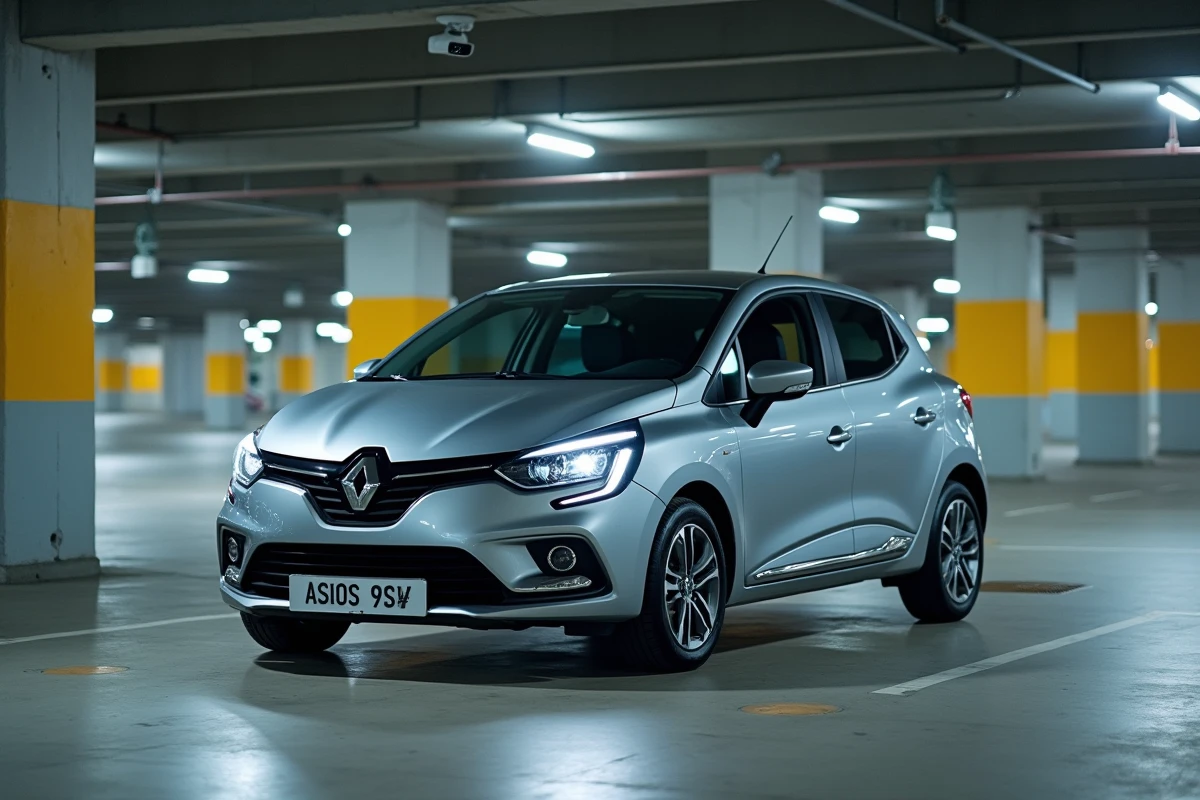
In 2025, the number of car thefts has significantly decreased in France. This lull should not mask a profound transformation of the phenomenon: the techniques used by thieves have become more sophisticated, and the targeted models are no longer the same as they were ten years ago.
Understanding which vehicles escape theft networks can guide a purchase or reconsideration of auto insurance coverage.
Why electric vehicles remain less stolen in France
Competitors extensively cover the ranking of the most stolen cars. The opposite angle, that of the models that interest thieves the least, deserves a technical examination.
Electric vehicles are among the least targeted categories. This trend, already observed in previous years, is confirmed in 2025 according to data relayed by ecomotorsnews.com. Several reasons converge.
First, the resale of spare parts from electric cars remains unprofitable for criminal networks. The parallel market for thermal engine parts (turbos, ECUs, catalysts) is well-structured, with outlets internationally. Battery or electric motor components do not yet have equivalents in these circuits. To identify the least stolen car in France, this resale channel criterion weighs as much as the quality of the built-in anti-theft device.
Next, the permanent geolocation of connected electric vehicles complicates their discreet movement. Most manufacturers offer real-time tracking via an app, making the vehicle traceable even after an electronic theft.

Theft without break-in: what the modus operandi reveals about at-risk models
The shift towards electronic theft redefines vulnerability criteria. About 70% of thefts now occur without visible break-in, compared to an inverted proportion fifteen years ago. This figure, derived from Roole’s data, reflects the generalization of key hacking techniques (relay attack, signal jamming).
The most exposed models share a common point: a keyless entry and start system that can be exploited remotely. Thieves capture the key signal inside the home and relay it to the parked vehicle nearby. The operation takes a few dozen seconds.
In contrast, cars without a keyless system, or equipped with a key whose signal can be manually disabled, fall outside the priority target of organized networks. This is one reason why some entry-level or older models remain safe.
Criteria that reduce the risk of electronic theft
- The absence of keyless start, or the ability to disable the key’s radio signal when the vehicle is parked
- An active geolocation system independent of the vehicle (hidden GPS tracker, manufacturer subscription)
- The presence of etching on windows and main parts, which complicates resale on the parallel market
- A software block of the engine ECU after detecting an unpaired key
Ranking of the least stolen models: beyond premium brands
The ranking of the least targeted vehicles does not correspond to a hierarchy of prices. Accessible models are among the least stolen, while some popular SUVs show high theft rates.
The Renault Zoé, for example, is regularly cited among low-risk models. Its exclusively electric motorization, low residual value in the parts market, and standard connectivity make it unattractive for resale networks. Other entry-level thermal city cars benefit from a similar effect: the low resale value of parts protects as much as the anti-theft device.
Conversely, the Toyota RAV4 and the Toyota C-HR are among the most stolen vehicles in 2025. These models combine widespread distribution in the French fleet and sought-after parts for export.
What theft rates say about a model’s value
A highly stolen vehicle sometimes sees its insurance premium increase significantly, affecting its total cost of ownership. The theft rate of a model directly influences auto insurance rates, a parameter rarely considered during purchase.
Insurers incorporate theft statistics into their premium calculations. A model ranking high among stolen vehicles can cost significantly more to insure than a comparable model that is absent from theft statistics.
Protecting a vehicle in 2025: measures that really work
In the face of the professionalization of thieves, some protections remain effective while others have become obsolete.
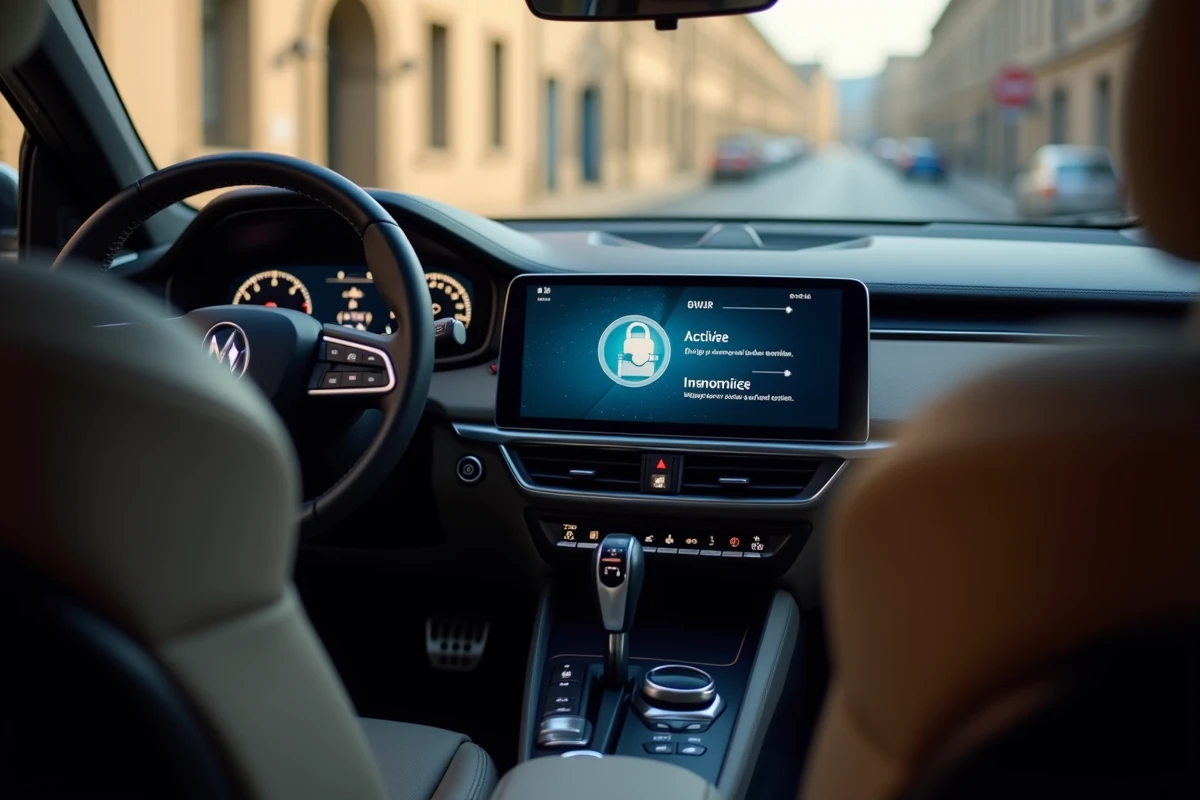
The anti-wave pouch (Faraday bag) for the ignition key is the simplest defense against relay attacks. Storing the key in a Faraday bag blocks the signal exploited by thieves. This precaution costs only a few euros and neutralizes the most widespread theft technique.
Etching windows and main parts retains its usefulness. A etched vehicle loses interest for resale in spare parts, as each component can be traced. Some insurers offer a premium discount for etched vehicles.
- The Faraday bag for keys: effective against relay attacks, very low cost
- The anti-theft etching: discouraging for spare parts resale networks
- The independent GPS tracker: allows locating the vehicle even if the manufacturer’s system is neutralized
- The mechanical steering wheel lock (anti-theft cane): discouraging for opportunistic thefts, ineffective against organized networks
The available data does not allow for precise quantification of the effect of each measure on reducing risk. Field feedback particularly diverges on the actual effectiveness of aftermarket alarms, often disabled by thieves in seconds.
The choice of model remains the primary factor of protection. A vehicle absent from the radar of theft networks, because its parts have no value in the parallel market or because its technology complicates hacking, offers a peace of mind that no anti-theft accessory can fully compensate.