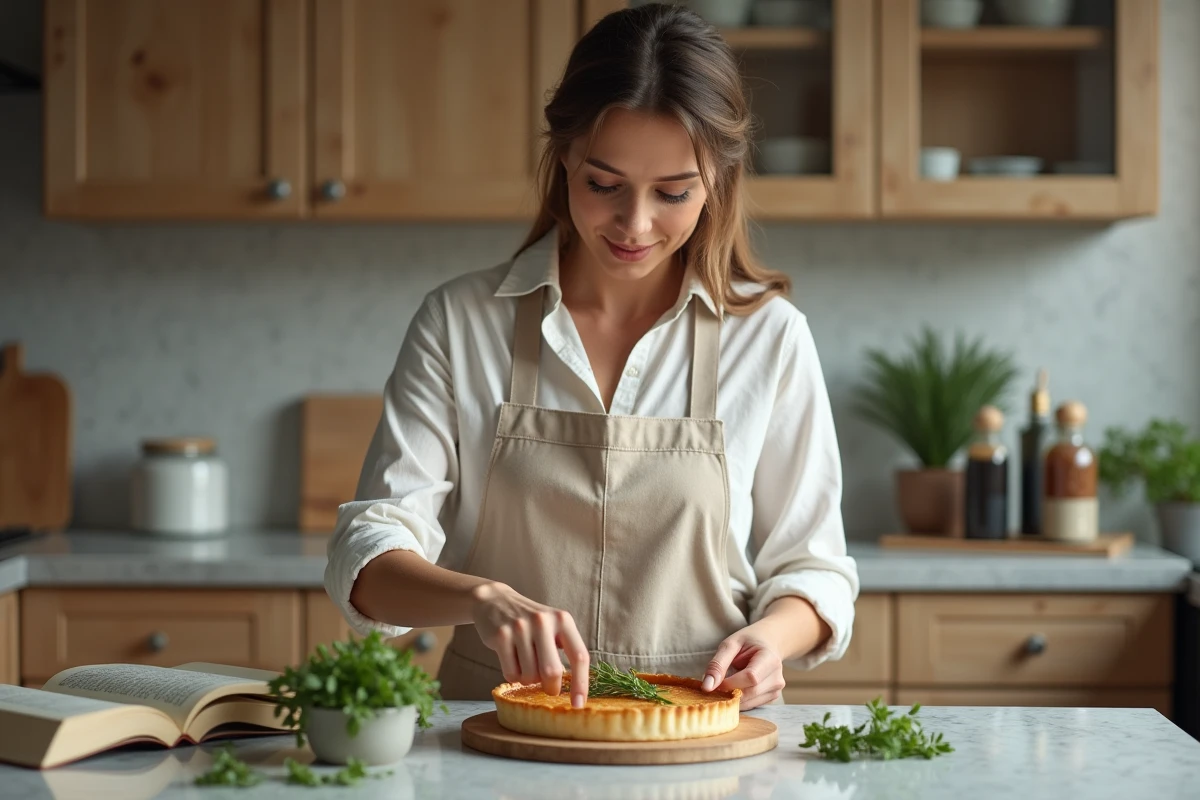
Greeting eggs at room temperature alters the texture of a cake more than the quality of the flour used. Salting meat after cooking does not have the same impact on its tenderness as when done during preparation. Egg whites whip better in a metal bowl than in a plastic container, despite an apparent similarity in shape.
Some gestures inherited from our parents sometimes hide more effective tricks, validated by years of trials or by culinary science. In cooking, a detail can change everything, disrupting the outcome of a recipe that one thought was immutable.
Why do some recipes seem so complicated when sometimes it just takes a few tricks
Open any cookbook: the pages overflow with technical terms, endless lists of ingredients, and maneuvers that seem reserved for insiders. But in truth, even Michelin-starred chefs always return to the essentials: observe, choose, adjust. It is at this level that the tricks for success play out. Take the choice of ingredients: betting on good products simplifies everything and naturally enhances the final taste. Technique is never an escape from the quality of the product.
Simone Zanoni, a renowned Italian chef, emphasizes: “A well-mastered sauce, a well-seasoned vegetable is worth all the spectacular effects.” Recipes sometimes get bogged down in detail, blurring the distinction between method and the search for complexity. Identify the techniques and tricks for the steps that really matter: searing meat over high heat, steaming vegetables to preserve their brightness and flavor, seasoning at the right moment.
Professionals share a principle: the simplicity of gestures makes the difference. A well-heated pan, a knife that cuts cleanly, a pinch of salt added at the right moment. This is what separates an acceptable dish from a success. To expand your repertoire of proven tricks, take a look at conseils-cuisine.net: everything is there, from basic techniques to tips for cooking without pressure. Approach each recipe like a craftsman: precise, curious, but true to the soul of the dish. Cooking is not a demonstration; it is above all a story of attention and transmission.
The secrets of everyday life: clever gestures and simple techniques to cook everything without stress
Day after day, success in cooking relies on precise gestures, refined by experience and passed down from hand to hand. A truly creamy mashed potato? Cook the potatoes whole with their skins in boiling salted water. Peel them while still hot, then mash them with a potato masher: you will achieve a fine texture and deep flavor. For vegetables, haste does not forgive. Use little simmering water, with the lid on: the steam preserves color, flavor, and vitamins.
When brick pastry sheets start to dry out, there’s no need to throw them away: a simple damp cloth placed on top will restore their flexibility, ready to be filled. For homemade tomato sauce, let it simmer for a long time with a splash of white wine, a few bay leaves, and a pinch of sugar to balance the acidity. As for rice, it has never cooked better than rinsed in cold water and then left on low heat, without stirring, under a closed lid.
Here are some reflexes to adopt to enhance the success of your dishes:
- Prefer a very hot pan to sear meats: the crust forms quickly, the juices remain trapped, and the meat stays tender.
- To succeed in making crème anglaise, whisk off the heat and gradually incorporate the warm milk. The ideal consistency is achieved gently, at low temperature, without ever boiling.
Everyday cooking is about mastering these little details, these essential tricks to succeed in all your recipes and elevate your cooking daily. Each dish then becomes unique, driven by the attention given to each gesture and the quality of each ingredient.
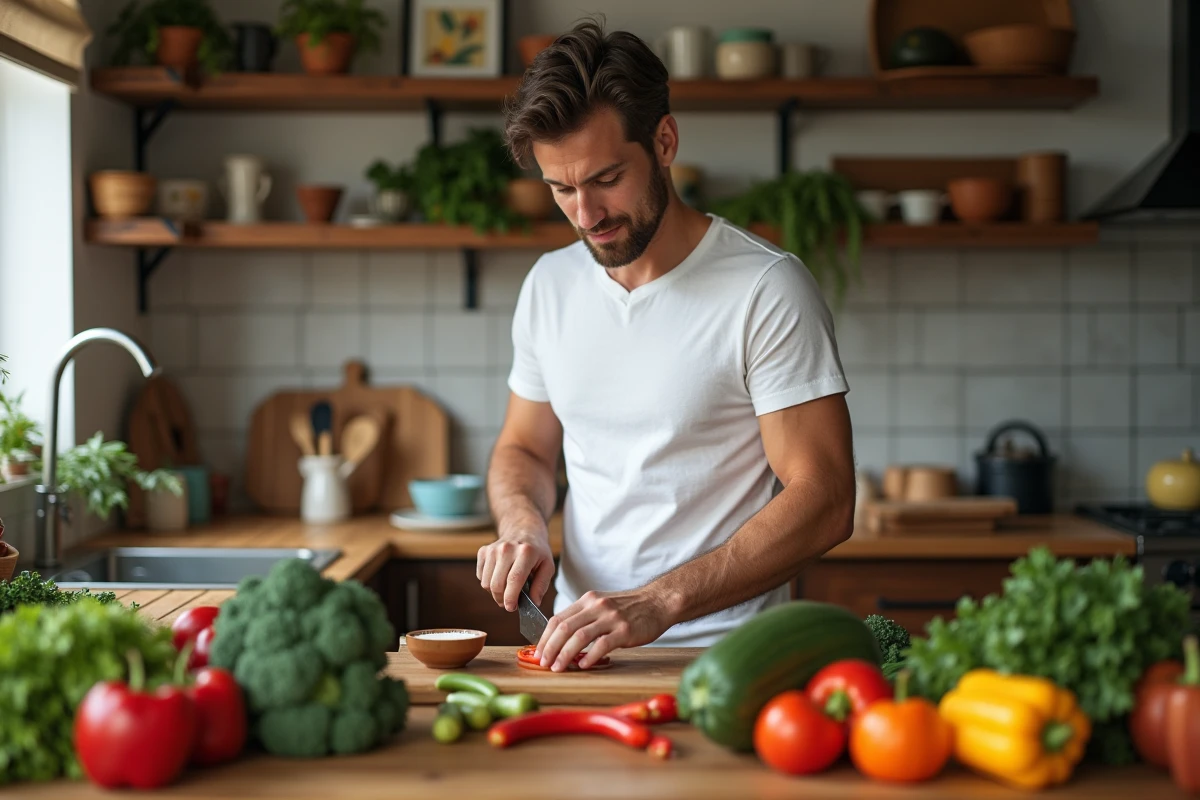
Want to go further? Dare to experiment and reveal your creativity in the kitchen
Cooking is also invented every day. Dare to shake up habits: it is often by stepping outside the box that the most beautiful discoveries are born. An unusual cooking method, an unexpected pairing, or simply the desire to breathe new life into a product left at the back of the cupboard: that’s how you find yourself creating, making a recipe your own. To add a personal touch to your dishes, play with textures: combine the crunch of homemade breadcrumbs with the softness of an ancient vegetable purée, pair the acidity of a citrus with white meat, or try low-temperature cooking to preserve tenderness.
Conviviality does not stop at the table: it begins with preparation. Invite family or friends to suggest ingredients, improvise a collective recipe. This shared moment shifts the lines, reveals talents, and taps into everyone’s curiosity. Simone Zanoni often reminds us: respecting the product also means daring to be bold. A few examples are enough: a flavored olive oil on a dessert, a zest of lemon in a vinaigrette, fresh herbs chopped at the last second.
Here are some ideas to awaken your inventiveness:
- Test unusual combinations: fresh herbs, spices, dried fruits.
- Play with cooking methods: gentle steaming, grilling, or roasting in the oven.
- Refine your seasonings to reveal the full personality of your recipes.
Let yourself be carried away by the moment, trust your taste and your desires. In cooking, each attempt builds your experience. It is these little sidesteps, these sudden cravings, that create the most beautiful memories around a dish.