The world of sanitary products is experiencing an unprecedented technological revolution, pushing the boundaries of comfort and hygiene in the most intimate space of our homes: the toilets. From smart toilets with automatic cleaning to heated seats, sophisticated deodorization systems, and integrated bidet features, innovation in this field continues to surprise. These advancements are not only a step towards luxury but also address a growing need for hygienic and eco-friendly solutions, reducing water and paper consumption while offering a more pleasant and personalized user experience.
The Latest Innovations for a Revolutionized Sanitary Experience
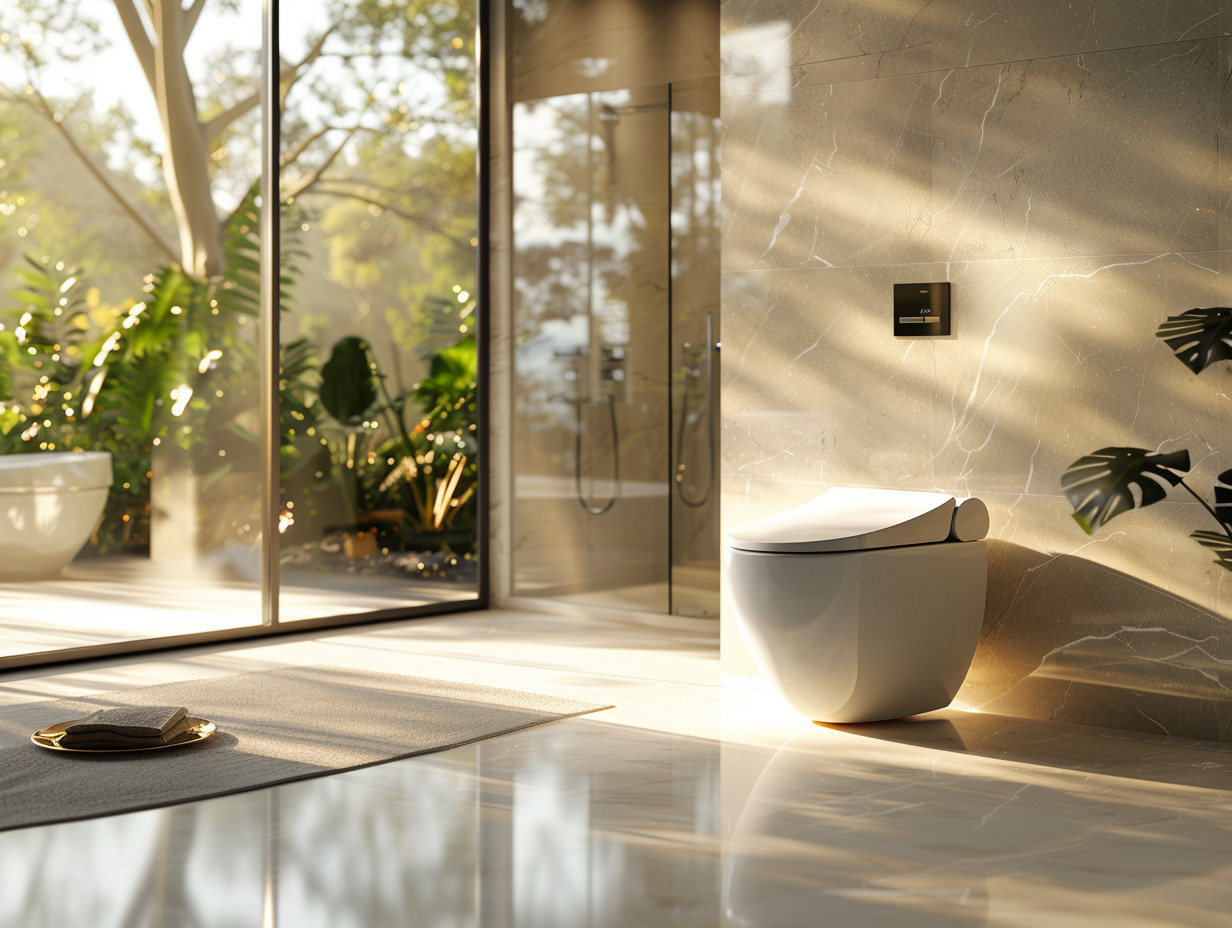
The sanitary sector continues its innovative momentum, facilitating a radical transformation of our bathrooms. Among the most notable advancements, Geberit, a pioneer in the development of washlets in Europe, continues to make its mark with its Geberit AquaClean range. This line offers WhirlSpray shower technology that, through a dynamic flushing mechanism, provides enhanced cleanliness and comfort, redefining personal hygiene standards. The Balena, the first wall-mounted washlet with a concealed support frame sold by Geberit, illustrates this desire to combine aesthetics and functionality.
Japanese toilets, already well-known for their ingenuity in hygiene and comfort, are being outdone by innovations such as TOTO’s NEOREST AC 2.0. This product, which self-cleans thanks to advanced technologies, embodies the future of autonomous cleanliness management. Similarly, the start-up Hygienict contributes with an innovative toilet kit that ensures effective intimate hygiene through an air cushion for toilets, a simple yet revolutionary solution to enhance the user experience.
These technological advancements are not limited to improving individual experiences. They are part of a broader approach focused on sustainability and the preservation of natural resources. Reducing water consumption and toilet paper usage are at the heart of these innovations, contributing to a lesser environmental impact. Users now face a choice that transcends mere convenience; they are invited to participate in an eco-responsible approach.
How Are These Technologies Transforming Our Comfort and Hygiene Habits?
The toilet revolution extends far beyond mere functionality towards a reconsideration of our sanitary practices. Technological innovations introduce cutting-edge intimate hygiene, where the showerhead gradually replaces the traditional use of toilet paper. This transition towards Japanese toilets and systems like the Geberit AquaClean or the NEOREST AC 2.0 marks a turning point in water consumption and waste management, offering a more sustainable approach to personal hygiene.
On the European continent, where the adoption of washlets has been slower compared to Japan, the paradigm shift is gradually taking place. France, with a washlet market close to 1%, is beginning to recognize the multiple benefits of these technologies in terms of comfort and hygiene. Rodolphe Artero from Geberit highlights the evolution of mindsets and consumer demands regarding well-being and health in the bathroom space.
Intimate hygiene is no longer a taboo subject but a public health issue. Setan, founder of Hygienict and a freelance nurse, has contributed to this awareness by creating an innovative toilet kit that facilitates access to quality intimate hygiene for all. These products, once considered luxuries, are thus becoming essential components of a modern bathroom.
Water consumption, critical in our environmentally conscious societies, is at the heart of these innovations. The technology of water-saving flush integrated into the design of modern toilets significantly reduces the ecological impact of our daily habits. Consequently, users find themselves at the center of a cultural and ecological shift, where comfort and personal hygiene align with environmental responsibility.