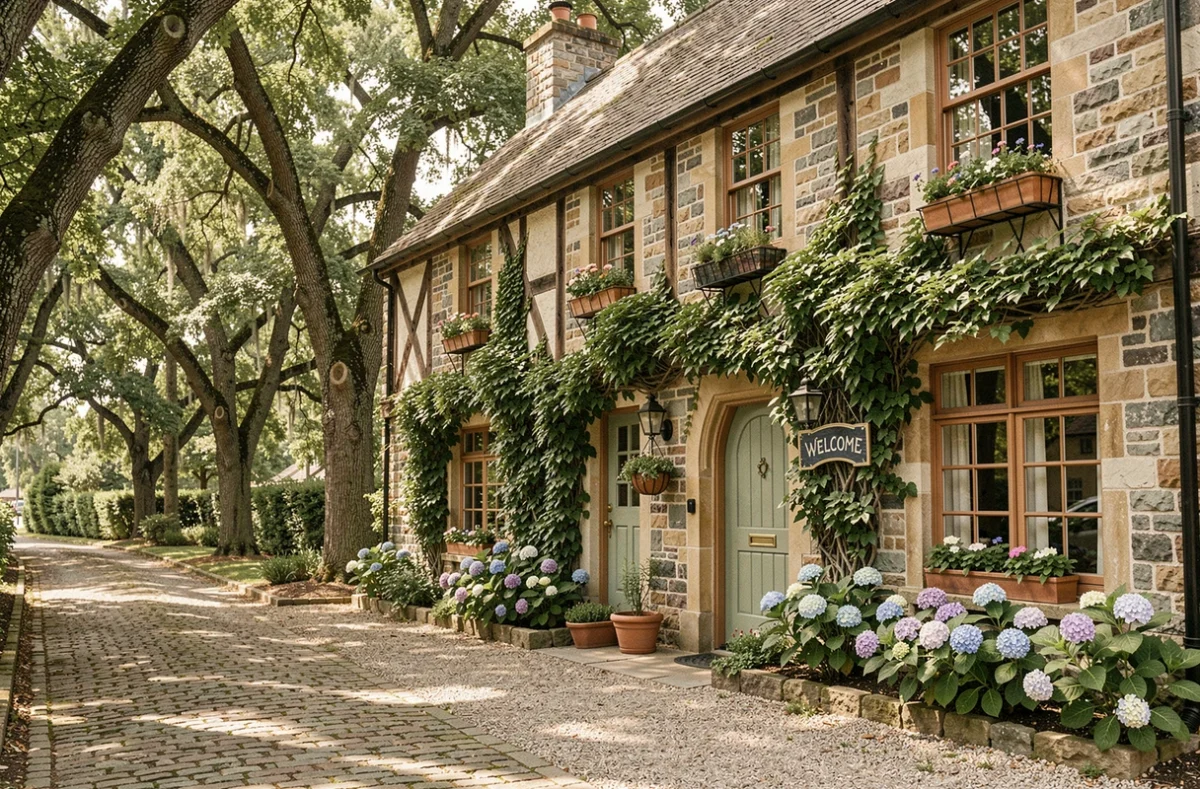
Choosing a guesthouse in Normandy rather than a hotel or a vacation rental involves a specific regulatory framework and a distinct experience. The guest room is located in the host’s home, includes breakfast and the provision of linens, with a capacity limited to five rooms and fifteen guests accommodated simultaneously. This format, governed by Articles L324-3 and L324-4 of the Tourism Code, directly influences the size of establishments, the relationship with guests, and the level of personalization of the stay.
Guestrooms and vacation rentals in Normandy: what the regulations change for travelers
The confusion between guest rooms and seasonal rentals remains common in search results. Both options are subject to different legal obligations, and these differences have a direct impact on what you will find upon arrival.
| Criterion | Guest Room | Vacation Rental |
|---|---|---|
| Host Presence | Mandatory (accommodation in the host’s home) | Not required |
| Breakfast | Included in the price | Not included |
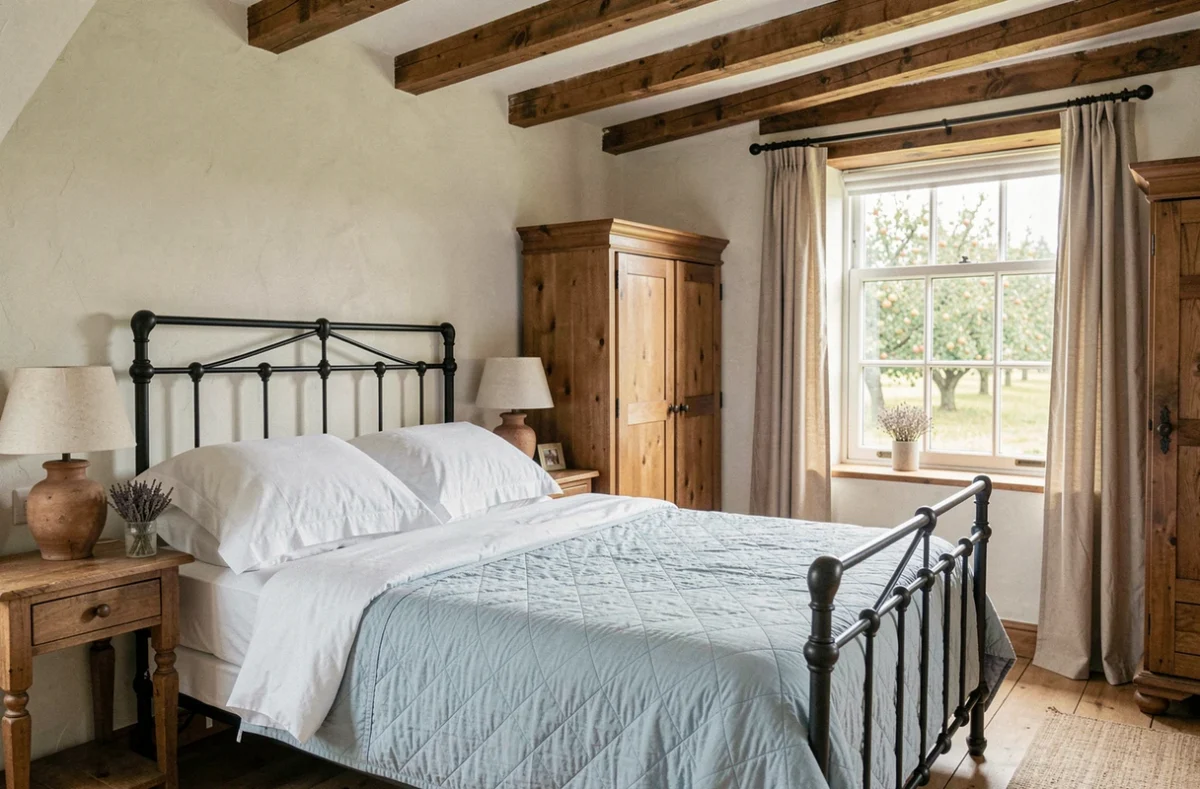
| Linens | Provided mandatorily | Variable according to the listing |
| Maximum Capacity | 5 rooms, 15 people | No equivalent regulatory ceiling |
| Declaration | At the town hall before opening | At the town hall, with registration number |
This limit of five rooms is not anecdotal. It ensures a human-sized format, where the welcome remains personalized. A typical Normandy guesthouse – half-timbered manor, stone longhouse from Caen, restored farm – maintains this intimate ratio between the number of travelers and the attention given by the owners.
On lamaisonmontigny.fr, this framework translates into direct hospitality, a breakfast prepared on-site, and a deep knowledge of the surrounding area, three elements that the regulations make structural and not optional.
Competitive pressure in the Normandy market: average prices declining and supply increasing
The tourist accommodation market in Normandy is undergoing a phase of reconfiguration. The analysis published by Olympe Services in September 2026 on the Rouen rental market describes a rise in the number of properties offered online, accompanied by a decline in the average price per night compared to 2024.
This trend primarily concerns vacation rentals and platforms like Airbnb. In contrast, guest rooms occupy a distinct segment: the included breakfast, provided linens, and host presence represent fixed costs that owners cannot compress as easily as a rental owner.
For travelers, this data has a concrete consequence. The decline in average prices makes vacation rentals more accessible, but it does not mechanically apply to guest rooms, whose services are more regulated. Comparing an Airbnb nightly rate to that of a guest room without including breakfast and linens skews the evaluation.
Foreign visitors and regional attendance
Foreign visitors have represented an increasing share of regional attendance in recent years. This trend benefits guesthouses capable of offering a stay rooted in local heritage, with direct exchanges in English or other languages. The guest room format, due to its relational dimension, meets a cultural discovery expectation that rentals without hosts do not cover.
Concrete criteria for evaluating a Normandy guesthouse before booking
Online selections highlight atmosphere and charm without always providing an operational assessment grid. Three criteria allow you to distinguish a reliable establishment from a decorative promise.
- Declaration at the town hall and compliance: every guest room must be declared before opening. The absence of this number in the legal mentions or upon request indicates a non-compliant establishment with the Tourism Code.
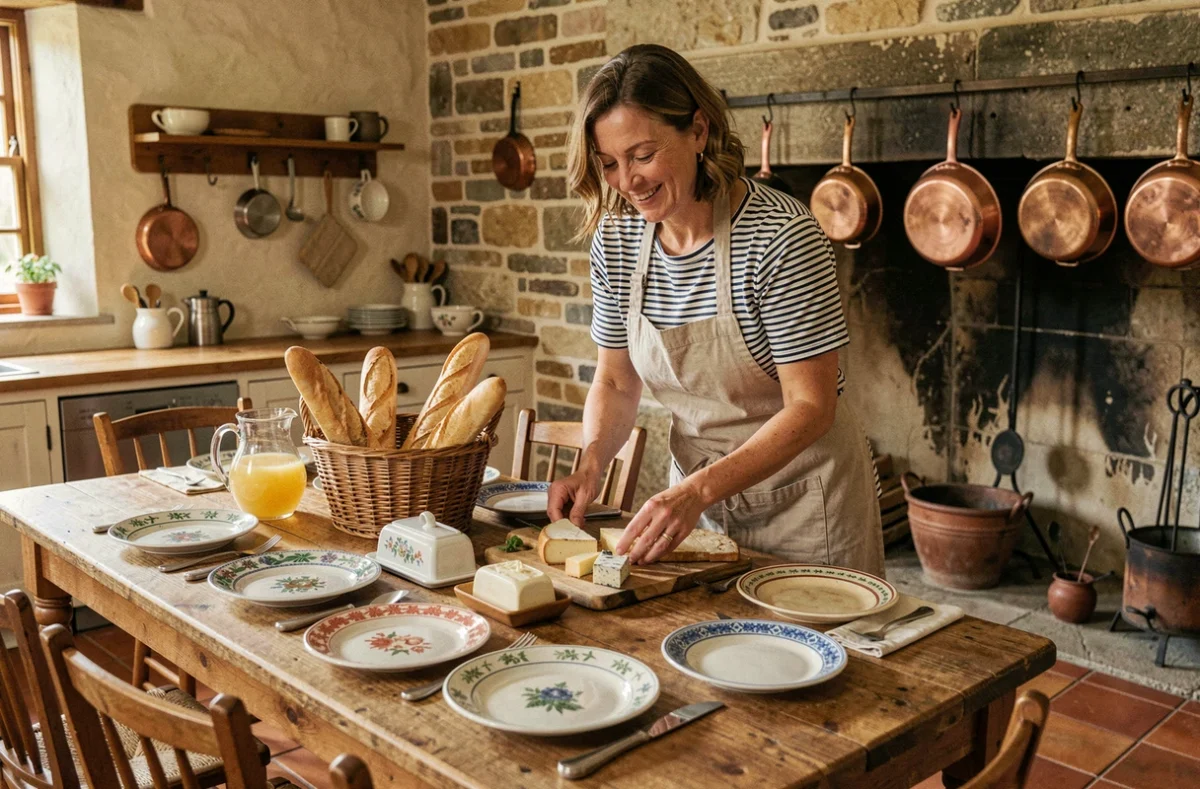
- Quality of breakfast and local sourcing: a breakfast based on regional products (butter, jams, cider, artisanal bread) distinguishes a committed guesthouse from one that serves industrial products. Asking about the composition before booking allows you to verify this point.
- Garden, outdoor areas, and built environment: Normandy offers a rare architectural diversity – half-timbering from the Pays d’Auge, granite from the Cotentin, bricks from the Pays de Bray. A well-maintained garden, a courtyard, or direct access to the Normandy countryside are indicators of the care given to the entire property.
The role of the owner in the stay experience
The mandatory presence of the host transforms the stay in a guest room into a relational experience. Normandy owners know the hiking trails of the bocage, the tide times on the D-Day beaches, and the local farm camembert producers. This local knowledge, shared at breakfast or during the welcome, constitutes a value that automated booking platforms do not replicate.
A good indicator: reviews mentioning personalized recommendations (restaurant, visit, itinerary) rather than simple comments on cleanliness or bedding comfort.
Normandy seasonality and availability of guest rooms
The period from May to October concentrates the majority of tourist demand in Normandy. Guesthouses fill up earlier than rentals, precisely because their capacity is capped at five rooms. Booking several weeks in advance during high season is not generic advice: it is a mechanical constraint related to the format.
The Normandy off-season, from November to March, offers more flexible access and different landscapes. The cliffs of the Pays de Caux under winter light, the bocage in morning mist, and the Christmas markets of small towns in Calvados create a setting that travelers seeking tranquility increasingly prefer.
The guesthouse in the heart of Normandy serves as a base for exploring the region at a leisurely pace, with a return each evening to a familiar place. This scheme is particularly suitable for multi-night stays, where the relationship with the hosts deepens and local recommendations take on their full meaning.
The regulatory format of the guest room – a maximum of five rooms, breakfast included, host present – remains the most reliable filter for identifying authentic accommodation in Normandy. In a market where online offerings are multiplying and prices are fluctuating, this legal constraint protects both the quality of hospitality and the traveler’s experience.